Introduction
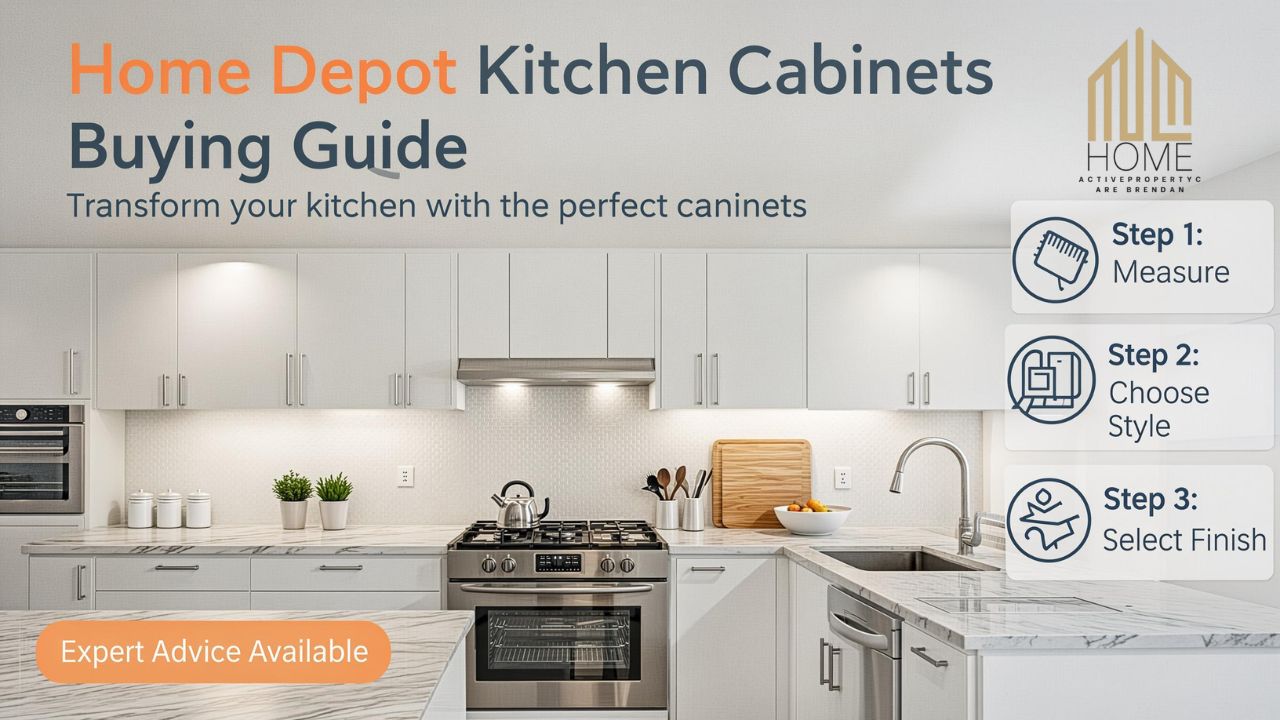
A kitchen can change the way a home feels. It’s where mornings begin, conversations unfold, and memories are quietly made over shared meals. When homeowners start dreaming about an upgrade, one of the first things they look at is home depot kitchen cabinets—and for good reason.
Cabinets define the character of your kitchen. They influence how organized you feel, how bright the room appears, and how smoothly your daily routine flows. Choosing the right cabinets isn’t just about color or price; it’s about balancing design, durability, and practicality in a space you’ll use every single day.
If you’re planning a remodel—or even just exploring possibilities—this in-depth guide will walk you through styles, materials, pricing tiers, installation choices, and expert insights to help you make confident decisions.
Why Cabinets Matter More Than You Think
Cabinets typically account for 30–40% of a kitchen renovation budget. But their importance goes beyond cost. They impact:
- Storage efficiency
- Workflow and functionality
- Overall resale value
- Visual harmony of the space
Well-chosen cabinetry transforms clutter into calm and chaos into convenience.
A smart kitchen layout paired with the right cabinet configuration can add usable storage without expanding square footage. That’s powerful design.
Understanding Your Options at Home Depot
When browsing home depot kitchen cabinets, you’ll encounter three primary categories. Understanding these differences helps prevent expensive mistakes later.
Stock Cabinets
Stock cabinets are pre-manufactured in standard sizes and styles. They’re:
- Budget-friendly
- Ready to ship quickly
- Ideal for simple layouts
However, customization is limited. If your kitchen has unusual dimensions, fillers and modifications may be required.
Semi-Custom Cabinets
Semi-custom cabinets offer more flexibility. You can:
- Adjust certain dimensions
- Choose from more finishes
- Add interior upgrades like pull-outs or soft-close hinges
They provide a middle ground between affordability and personalization.
Custom Cabinets
Custom cabinetry is built to exact specifications. Benefits include:
- Perfect fit for unique spaces
- Personalized finishes and materials
- Advanced storage solutions
The trade-off? Higher cost and longer lead times.
After understanding the cabinet tiers, it’s helpful to see how layout and size affect your final choice.
Popular Styles of Home Depot Kitchen Cabinets
Cabinet style shapes your kitchen’s personality. Here are the most popular design directions homeowners gravitate toward.
Shaker Style
Clean lines and minimal detailing define shaker cabinets. They work beautifully in:
- Modern kitchens
- Farmhouse designs
- Transitional spaces
Their versatility makes them one of the safest long-term design choices.
Raised Panel Cabinets
Raised panel doors add depth and formality. They’re common in:
- Traditional homes
- Elegant kitchen settings
- Warm wood finishes
Slab or Flat-Panel Cabinets
These sleek doors feature no ornamentation. They are ideal for:
- Contemporary spaces
- Minimalist aesthetics
- Urban interiors
Glass-Front Cabinets
Glass inserts break visual heaviness and allow decorative display. They’re often used for upper cabinets or accent areas.
Materials and Construction Quality
Not all cabinets are created equal. Construction determines how long they last.
Solid Wood
Solid wood doors offer durability and timeless appeal. They’re resistant to everyday wear but can expand or contract with humidity.
MDF (Medium-Density Fiberboard)
MDF is smooth and paint-friendly. It’s often used for painted cabinet doors due to its resistance to cracking.
Plywood
High-quality cabinet boxes use plywood rather than particleboard. Plywood is:
- Stronger
- More moisture-resistant
- Better for long-term durability
When evaluating home depot kitchen cabinets, always check box construction and joinery methods. Dovetail joints and soft-close hardware are signs of quality craftsmanship.
Color Trends and Finish Options
Color sets the emotional tone of your kitchen.
Classic White
White cabinets brighten smaller spaces and create a timeless foundation.
Warm Wood Tones
Natural oak, maple, and walnut finishes are making a comeback. They bring warmth and texture.
Two-Tone Designs
Combining light upper cabinets with darker lower ones adds contrast and depth.
Bold Modern Hues
Navy, forest green, and matte black have gained popularity for statement kitchens.
Budget Planning and Pricing Breakdown
Cost varies based on material, size, and customization.
Here’s a rough pricing guide:
- Stock cabinets: $100–$300 per linear foot
- Semi-custom: $150–$650 per linear foot
- Custom: $500+ per linear foot
Other costs to consider:
- Installation
- Removal of old cabinetry
- Countertops
- Hardware upgrades
- Delivery fees
Smart budgeting includes allocating 10–15% extra for unexpected adjustments.
Installation: DIY or Professional?
Installing home depot kitchen cabinets can be a rewarding DIY project if you have:
- Carpentry experience
- Precision measurement skills
- Proper tools
However, professional installation ensures:
- Level alignment
- Secure wall mounting
- Warranty compliance
If your kitchen has uneven floors or complex layouts, professional help may save time and stress.
Maximizing Storage and Functionality
Modern cabinets are more than just shelves.
Smart Interior Features
Consider adding:
- Pull-out spice racks
- Lazy Susans
- Deep drawer organizers
- Soft-close hinges
- Trash pull-outs
Vertical Storage Solutions
Tall pantry cabinets maximize ceiling height and reduce clutter.
Corner Cabinet Optimization
Blind corner pull-outs or rotating trays prevent wasted space.
Measuring Your Kitchen Correctly
Accurate measurement prevents costly errors.
Follow these steps:
- Measure wall length in inches
- Note ceiling height
- Mark window and door placements
- Identify plumbing and electrical locations
Even small miscalculations can delay installation.
Durability and Long-Term Value
Kitchen cabinets experience daily use. Durability matters.
Look for:
- Solid wood face frames
- Strong drawer glides
- Moisture-resistant finishes
- Reinforced corner joints
High-quality home depot kitchen cabinets can last 15–30 years with proper care
Environmental Considerations
Sustainability is increasingly important.
Many cabinets now offer:
- Low-VOC finishes
- FSC-certified wood
- Eco-friendly manufacturing processes
Choosing responsibly sourced materials supports both durability and environmental well-being.
Maintenance and Care Tips
Proper maintenance keeps cabinets looking new.
- Clean spills immediately
- Avoid harsh chemicals
- Use gentle soap and microfiber cloth
- Tighten hinges annually
- Check hardware alignment
Preventative care extends cabinet lifespan significantly.
Design Coordination Tips
Cabinets should harmonize with:
- Countertops
- Backsplash
- Flooring
- Lighting
Neutral cabinets offer flexibility. Bold colors require thoughtful pairing.
Common Mistakes to Avoid
- Ignoring workflow (triangle between stove, sink, fridge)
- Underestimating storage needs
- Choosing style over durability
- Forgetting lighting impact
- Skipping professional measurement
Planning reduces regret.
FAQ
What is the average cost of home depot kitchen cabinets?
Prices range from a few thousand dollars for small stock setups to $20,000+ for large custom kitchens.
Are stock cabinets good quality?
Yes, for standard layouts and moderate use. Quality depends on construction materials.
How long do kitchen cabinets last?
With proper care, cabinets can last 15–30 years or more.
Can I paint kitchen cabinets later?
Solid wood and MDF doors can be repainted, but preparation is crucial for smooth results.
Do cabinets increase home value?
Updated kitchens are among the top features buyers look for and can significantly boost resale value.
How long does installation take?
Professional installation usually takes 2–5 days depending on kitchen size.
Are soft-close hinges worth it?
Yes. They reduce noise and extend cabinet lifespan by preventing slamming.
What’s better: plywood or particleboard?
Plywood is stronger, more durable, and more moisture-resistant.
Conclusion
A kitchen remodel is both exciting and overwhelming. Cabinets form the foundation of that transformation. By carefully evaluating style, material, construction, and installation options, you can create a space that feels personal, practical, and long-lasting.
Whether you prefer sleek modern lines or timeless shaker charm, thoughtful planning ensures your kitchen works as beautifully as it looks. Investing wisely today means enjoying comfort, organization, and pride in your home for years to come.







![Fast recipe llblogfood – 7 Best Quick Meal Ideas [Guide 2026]](https://activepropertycarebrendan.com/wp-content/uploads/2026/01/Fast-recipe-llblogfood-300x169.jpg)
![Decoration Guide Homenumental 9 Best Ideas for 2026 [Guide]](https://activepropertycarebrendan.com/wp-content/uploads/2026/01/Decoration-Guide-Homenumental-300x169.jpg)