Introduction
Some furniture simply fills a room. Other pieces transform it. herman miller belongs firmly in the second category—a brand that has shaped the way we sit, work, and live for nearly a century. Whether you’ve admired the clean lines of a mid-century lounge chair or experienced the comfort of an ergonomic office chair during a long workday, chances are you’ve encountered its influence.
Why does this matter? Because furniture is never just functional. It affects posture, productivity, mood, and even how we connect with space. In a world where design often feels disposable, understanding the legacy and craftsmanship behind enduring pieces helps you make smarter, more meaningful choices.
This guide takes you through the history, design philosophy, iconic products, and lasting cultural impact of herman miller—so you can see why it remains a benchmark for modern furniture worldwide.
The Origins of Herman Miller
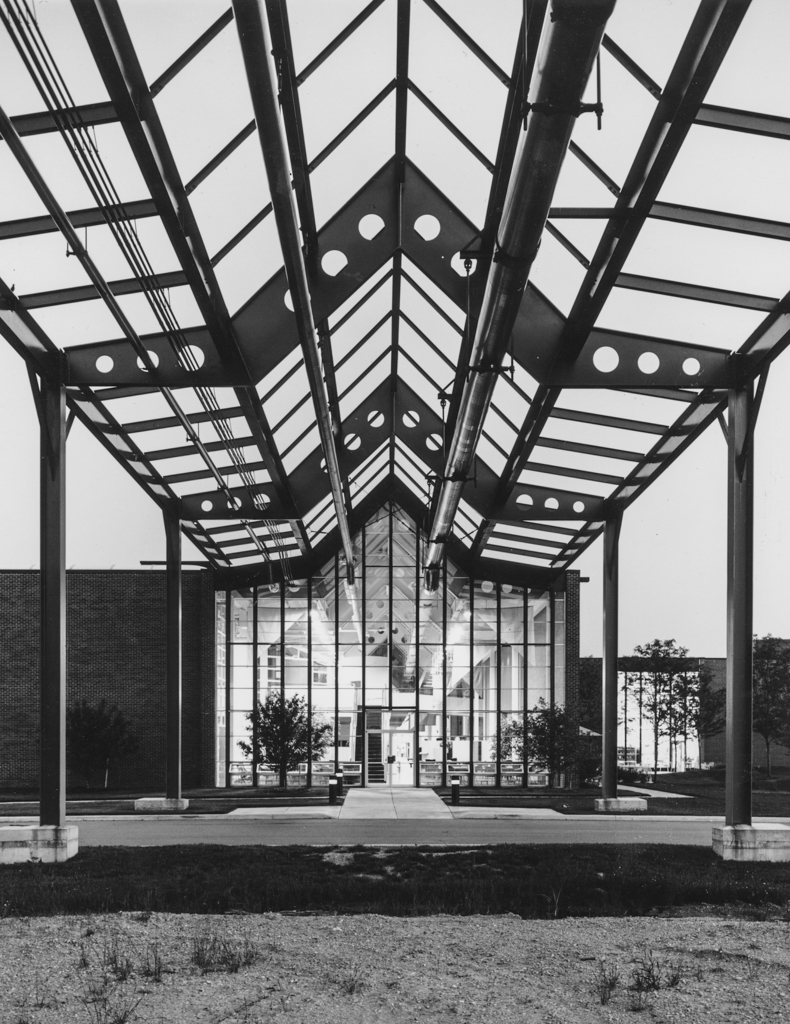
The story begins in 1905 in Zeeland, Michigan, as a traditional furniture company producing bedroom suites. It wasn’t until the 1920s, when D.J. De Pree took leadership, that the brand shifted toward innovation. De Pree partnered with architect Gilbert Rohde, who introduced modernist principles that would define the company’s direction.
Instead of ornate decoration, the focus became:
- Function over formality
- Clean lines and minimal ornamentation
- Honest use of materials
- Designs suited for modern living
This shift positioned the company at the forefront of the modernist movement in America.
By the mid-20th century, it wasn’t just a furniture manufacturer—it had become a design pioneer.
The Design Philosophy Behind Herman Miller
Human-Centered Design
At the heart of the brand’s philosophy is a deceptively simple question: How does this serve the human body?
Rather than forcing users to adapt to furniture, the approach prioritizes ergonomics, flexibility, and comfort. Every curve, tilt, and adjustment is carefully considered.
Key principles include:
- Supporting natural posture
- Reducing pressure points
- Encouraging movement
- Enhancing long-term well-being
This philosophy helped redefine office environments around the world.
Collaboration with Visionary Designers
One of the company’s greatest strengths has always been collaboration. It partnered with design legends such as:
- Charles and Ray Eames
- George Nelson
- Isamu Noguchi
- Bill Stumpf
These designers didn’t just create products—they created cultural icons that still influence contemporary interiors.
Iconic Products That Changed Furniture History
The Eames Lounge Chair
Few pieces are as recognizable as the Eames Lounge Chair and Ottoman. Introduced in 1956, it blended luxury with modern simplicity. Molded plywood, supple leather, and a relaxed silhouette made it both inviting and architectural.

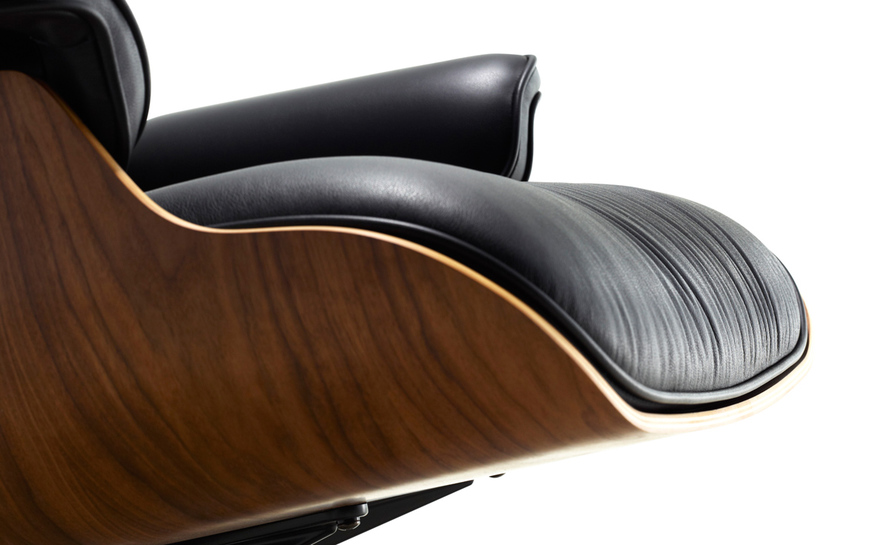
Its appeal lies in contrasts:
- Soft yet structured
- Industrial yet warm
- Modern yet timeless
It remains one of the most sought-after lounge chairs globally.
The Aeron Chair
Launched in 1994, the Aeron Chair disrupted the office furniture market. Instead of foam cushioning, it introduced a breathable mesh material and a radically different ergonomic structure.
What made it revolutionary?
- Pellicle mesh for airflow
- Adjustable lumbar support
- Tilt and recline customization
- Multiple size options
The Aeron quickly became a status symbol in tech offices and executive suites.


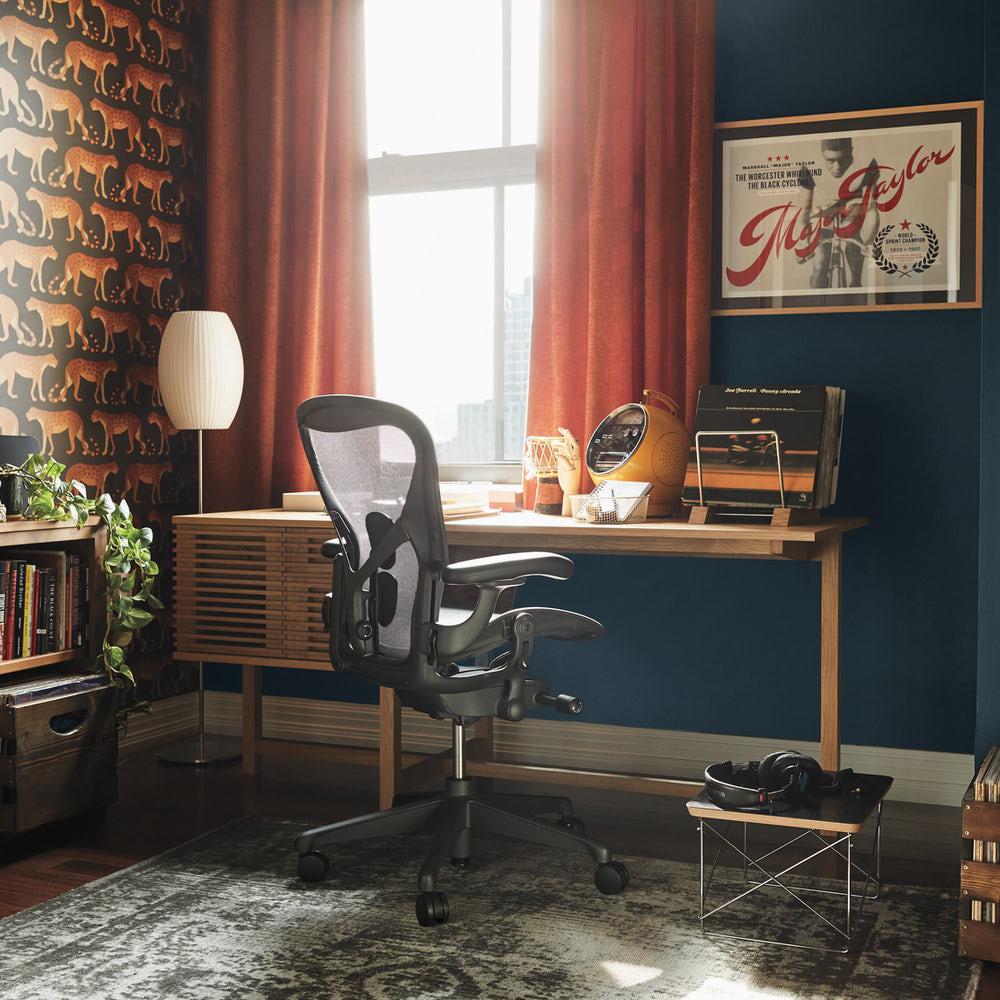
Today, it is often considered the gold standard for ergonomic seating.
Herman Miller in the Modern Workplace
Work has changed dramatically over the past two decades. Open offices, remote setups, and hybrid work models have reshaped how we interact with space. The brand has adapted by developing flexible systems and modular furniture that accommodate:
- Collaborative work
- Individual focus zones
- Standing desks
- Home office integration
Rather than designing static workstations, the emphasis is on adaptability. This reflects a deeper understanding of productivity: comfort fuels performance.
Sustainability and Ethical Manufacturing
Sustainability is no longer optional—it’s essential. Over the years, herman miller has committed to responsible sourcing and manufacturing processes.
Environmental initiatives include:
- Use of recyclable materials
- Reduction of greenhouse gas emissions
- Sustainable wood sourcing
- Designing products for longevity
By building furniture meant to last decades instead of years, the company reduces waste while promoting mindful consumption.
Mid-Century Modern Influence
The mid-century modern movement emphasized simplicity, organic forms, and functionality. Many pieces from the brand’s mid-20th century catalog became cornerstones of this aesthetic.
Characteristics include:
- Tapered wooden legs
- Organic curves
- Minimal hardware
- Neutral color palettes
Even today, interior designers reference these principles when creating contemporary spaces.
Choosing the Right Herman Miller Piece for Your Space
Selecting the right furniture depends on your needs.
For Home Offices
Consider:
- Adjustable ergonomic chairs
- Compact desks
- Proper lumbar support
- Breathable materials
If you work long hours, comfort should never be compromised.
For Living Rooms
Lounge chairs, sofas, and sculptural accent tables can elevate a space. Look for:
- Balanced proportions
- High-quality upholstery
- Complementary lighting
For Corporate Environments
Modular systems and ergonomic seating enhance both aesthetics and employee satisfaction.
Investment Value and Longevity
Quality furniture is an investment. Unlike mass-produced items that deteriorate quickly, herman miller products are engineered for durability.
Why they retain value:
- Timeless design
- Strong resale market
- Replaceable components
- High manufacturing standards
Many vintage pieces from the 1950s and 1960s are still functional today—a testament to thoughtful craftsmanship.
Cultural Impact and Pop Culture
From corporate boardrooms to Hollywood film sets, these designs have become visual shorthand for sophistication and modernity. The Aeron Chair famously appeared in early tech company offices during the dot-com boom, symbolizing innovation.
The Eames Lounge Chair frequently appears in:
- Luxury apartments
- Architectural photography
- Executive offices
- Design exhibitions
These pieces transcend trends—they represent eras.
How Herman Miller Redefined Ergonomics
Ergonomics is the science of designing tools and environments that fit human needs. The brand invested heavily in research, collaborating with medical professionals and engineers.
Key ergonomic innovations include:
- Dynamic support systems
- Posture-responsive mechanisms
- Multi-directional armrests
- Breathable suspension materials
These features help reduce fatigue and long-term strain.
FAQ
Frequently Asked Questions
Is herman miller furniture worth the price?
Yes, if you value durability, ergonomic performance, and timeless design. The initial investment often pays off through longevity and comfort.
Where are herman miller products made?
Many products are manufactured in the United States, with additional facilities globally.
How long do herman miller chairs last?
With proper care, they can last decades. Some models come with extended warranties.
Are herman miller chairs good for back pain?
Many users find significant relief due to advanced lumbar support and ergonomic engineering.
Can I use an Aeron Chair at home?
Absolutely. It’s widely used in home offices for extended work sessions.
Do herman miller products hold resale value?
Yes. Vintage and well-maintained items often retain strong market value.
What style is herman miller known for?
Primarily modern and mid-century modern design with a strong focus on functionality.
Is herman miller environmentally friendly?
The company prioritizes sustainability through responsible sourcing and recyclable materials.
Conclusion
Furniture shapes daily life more than we realize. The chair you sit in affects your posture. The desk you work at influences productivity. The lounge chair in your living room defines how you relax.
Through innovation, collaboration, and an unwavering focus on human-centered design, herman miller has remained a defining force in modern furniture. Its pieces are not just objects—they’re experiences crafted with intention.
If you’re looking for furniture that balances beauty, comfort, and longevity, exploring this legacy is more than worthwhile. It’s an invitation to rethink how design can truly support the way you live and work.







![Fast recipe llblogfood – 7 Best Quick Meal Ideas [Guide 2026]](https://activepropertycarebrendan.com/wp-content/uploads/2026/01/Fast-recipe-llblogfood-300x169.jpg)
![Decoration Guide Homenumental 9 Best Ideas for 2026 [Guide]](https://activepropertycarebrendan.com/wp-content/uploads/2026/01/Decoration-Guide-Homenumental-300x169.jpg)