Introduction
A well-designed home isn’t just about aesthetics—it’s about how a space makes you feel the moment you walk in. That’s where drhomey interior design stands out. It blends comfort, functionality, and modern style in a way that feels effortless yet intentional.
Whether you’re upgrading a small apartment or redesigning a full house, the way you structure your space directly impacts your mood, productivity, and lifestyle. People often underestimate how much thoughtful design can improve everyday living—but once you get it right, there’s no going back.
In this guide, you’ll get a deep, practical breakdown of what makes this design approach work—and how you can apply it without wasting time or money on trends that don’t last.
What Is drhomey interior design?
drhomey interior design is a modern approach to home styling that prioritizes livability over decoration. It’s not about filling rooms—it’s about designing spaces that serve a purpose while still looking refined.
Core Principles
- Function first, aesthetics second
- Clean layouts with intentional spacing
- Balanced color palettes (not overcomplicated)
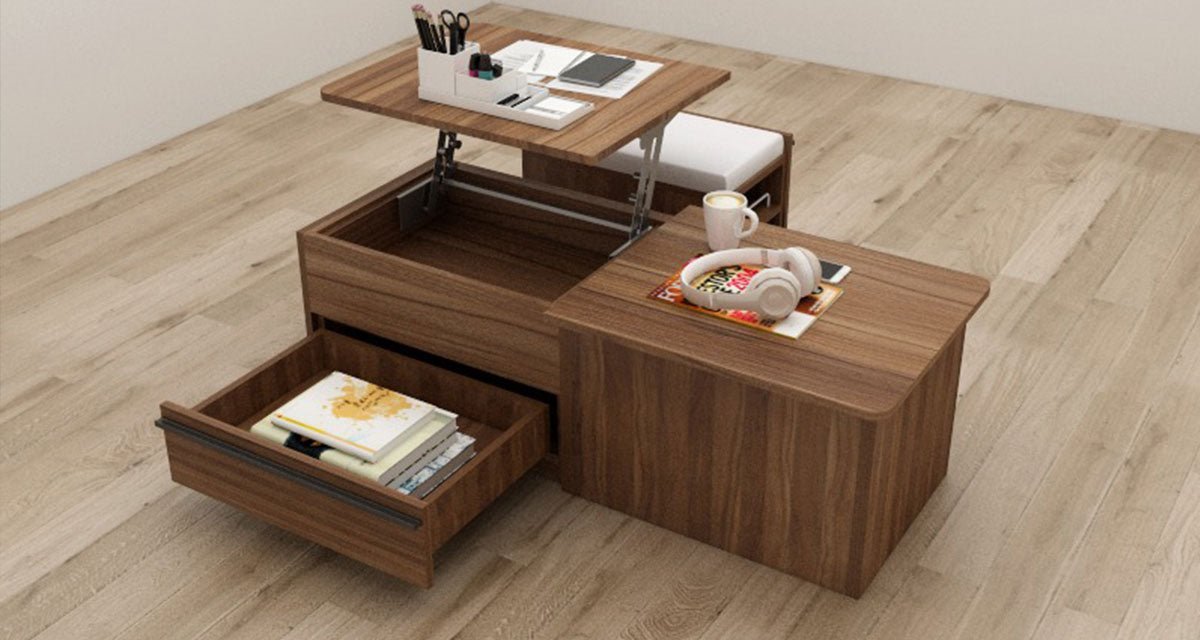
- Furniture that serves multiple purposes
- Personalized but not cluttered
Instead of copying Pinterest-perfect rooms, this approach focuses on real-life usability.
Why drhomey interior design Works So Well
Most people fail at home design because they chase trends instead of solving problems. That’s the difference.
1. It Solves Space Problems
Whether you live in a compact apartment or a large house, poor layout ruins everything. This method focuses on:
- Traffic flow
- Furniture placement
- Functional zoning
2. It Reduces Visual Noise
Clutter isn’t just physical—it’s visual. Too many colors, patterns, or objects overwhelm the brain.
3. It’s Budget-Friendly
You don’t need expensive furniture—you need the right furniture.


4
Key Elements of drhomey interior design
Color Psychology and Palette Selection
Colors influence how a room feels more than furniture does.
Best-performing palettes:
- Neutral base (white, beige, gray)
- One accent color
- Natural textures (wood, linen)
Avoid:
- Overly bright combinations
- Too many competing tones
Furniture Selection Strategy
Every piece should answer one question: What problem does this solve?
Examples:
- Storage beds → maximize small bedrooms
- Modular sofas → adaptable living spaces
- Foldable tables → flexible usage
Lighting Layers
Lighting isn’t optional—it’s structural.
Use:
- Ambient lighting (main source)
- Task lighting (functional areas)
- Accent lighting (depth and mood)
Bad lighting kills even the best-designed room.
Room-by-Room Breakdown
Living Room Design Approach
Your living room should feel open but grounded.
Key rules:
- Keep furniture off walls (creates depth)
- Use rugs to define zones
- Limit décor to essentials
Bedroom Design Strategy
Bedrooms should prioritize rest—not decoration.
Focus on:
- Soft lighting
- Neutral tones
- Minimal furniture
Avoid:
- Overloaded walls
- Bright lighting
- Too many textures


4
Kitchen and Dining Spaces
Efficiency matters more than style here.
Golden rules:
- Keep surfaces clear
- Use vertical storage
- Optimize workflow (triangle layout)
Small Spaces Optimization
Small homes benefit the most from this design approach.
Smart hacks:
- Mirrors to create illusion of space
- Multi-functional furniture
- Light color schemes
Common Mistakes People Make
Let’s be blunt—most homes look bad for predictable reasons.
1. Buying Before Planning
People buy furniture first, then try to make it fit. That’s backwards.
2. Ignoring Scale
Oversized sofas in small rooms = disaster.
3. Overdecorating
More items ≠ better design.
4. Copying Trends Blindly
What works in a luxury villa won’t work in a small apartment.
How to Apply drhomey interior design Step-by-Step
Step 1: Define Your Space Purpose
Every room needs a clear function.
Ask:
- What happens here daily?
- What’s unnecessary?
Step 2: Declutter Aggressively
If you don’t use it, remove it.
Step 3: Plan Layout First
Before buying anything:
- Measure space
- Sketch layout
- Define zones
Step 4: Choose Core Pieces
Invest in:
- Sofa
- Bed
- Storage
Everything else is secondary.
Step 5: Layer Design
Add:
- Lighting
- Textures
- Minimal décor


4
Trends That Align with drhomey interior design
Not all trends are bad—but most are temporary.
Worth Following:
- Minimalism with warmth
- Sustainable materials
- Smart home integration
Avoid:
- Overly bold color trends
- Excessive decorative items
- Furniture without purpose
Budget vs Luxury: What Actually Matters
Here’s the reality—good design isn’t about money.
Where to Spend:
- Mattress
- Sofa
- Lighting
Where to Save:
- Décor
- Accessories
- Temporary items
A well-planned low-budget room beats a poorly planned expensive one every time.
FAQ
Frequently Asked Questions
What makes drhomey interior design different from traditional design?
It focuses on function first, then aesthetics. Traditional design often prioritizes appearance over usability.
Is drhomey interior design suitable for small homes?
Yes—actually, it works best in small spaces because it emphasizes efficiency and smart layouts.
How many times should I redesign my home?
Only when your lifestyle changes. Constant redesigning usually means poor planning.
Can I apply this design without hiring a professional?
Absolutely. The principles are simple—most people just don’t follow them properly.
What colors work best in this design style?
Neutral tones with one accent color perform best in most environments.
How do I avoid clutter while decorating?
Set limits. Every item must justify its presence.
Is minimalism required for this design?
Not strictly—but controlled simplicity is essential.
What’s the biggest mistake beginners make?
Buying furniture without a layout plan.
Conclusion
At the end of the day, drhomey interior design isn’t about making your home look impressive—it’s about making it work for you. Most people overcomplicate design because they chase inspiration instead of solving real problems.
If you take one thing from this: plan first, simplify aggressively, and prioritize function. Everything else—style, aesthetics, trends—comes after that.
Do it right, and your home won’t just look better—it’ll feel better.







![Fast recipe llblogfood – 7 Best Quick Meal Ideas [Guide 2026]](https://activepropertycarebrendan.com/wp-content/uploads/2026/01/Fast-recipe-llblogfood-300x169.jpg)
![Decoration Guide Homenumental 9 Best Ideas for 2026 [Guide]](https://activepropertycarebrendan.com/wp-content/uploads/2026/01/Decoration-Guide-Homenumental-300x169.jpg)