
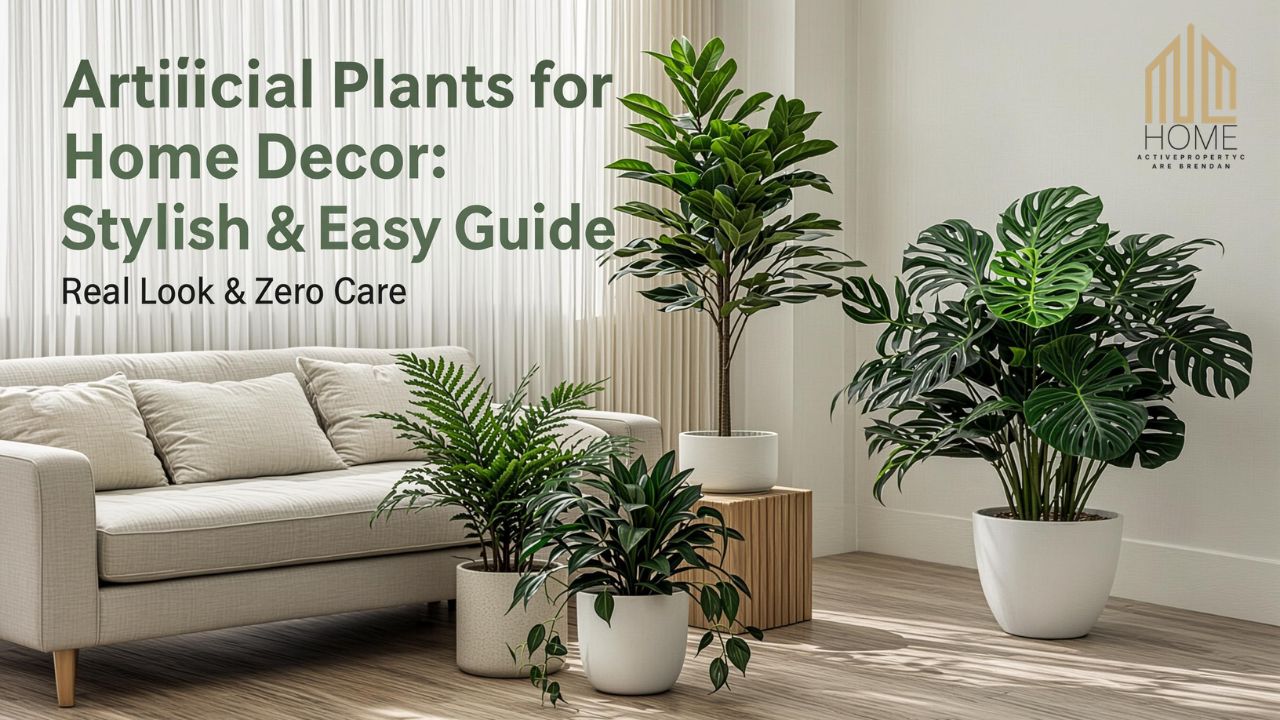
Introduction
Walk into any beautifully styled home today, and chances are you’ll spot greenery—lush, vibrant, and perfectly placed. But here’s the twist: not all of it is real. Artificial plants for home decor have quietly become one of the smartest styling hacks for modern homes.
They solve a real problem. Not everyone has the time, patience, or even the right environment to keep live plants thriving. Between busy schedules, poor lighting, or just a lack of gardening skills, real plants can quickly turn into a frustrating chore instead of a joy.
That’s exactly why artificial greenery is booming. Done right, it looks stunning, requires zero maintenance, and gives you full control over your space. This guide breaks down how to use artificial plants strategically—so your home looks intentional, stylish, and far from fake.
Why Artificial Plants for Home Decor Are Gaining Popularity
The shift toward artificial greenery isn’t random—it’s practical and aesthetic at the same time.
People want:
- Visual warmth without effort
- Consistency in appearance
- Flexibility in design
Real plants die. Artificial ones don’t.


4
The Real Reasons Behind the Trend
1. Zero Maintenance
No watering, no sunlight requirements, no pests. That’s a massive advantage.
2. Always Picture-Perfect
Artificial plants don’t wilt, turn yellow, or drop leaves.
3. Placement Freedom
You can decorate:
- Dark corners
- Bathrooms with no sunlight
- Office spaces
4. Long-Term Cost Efficiency
While upfront costs may seem higher, they last for years.
Types of Artificial Plants You Should Consider
Not all artificial plants are equal. Some look cheap and obvious, others are nearly indistinguishable from real ones.
Small Accent Plants
Perfect for:
- Coffee tables
- Work desks
- Shelves
Examples:
- Succulents
- Mini ferns
- Small potted herbs
Medium Decorative Plants
Ideal for adding depth to rooms:
- Snake plants
- Monstera
- Rubber plants
Large Statement Plants
These define a space:
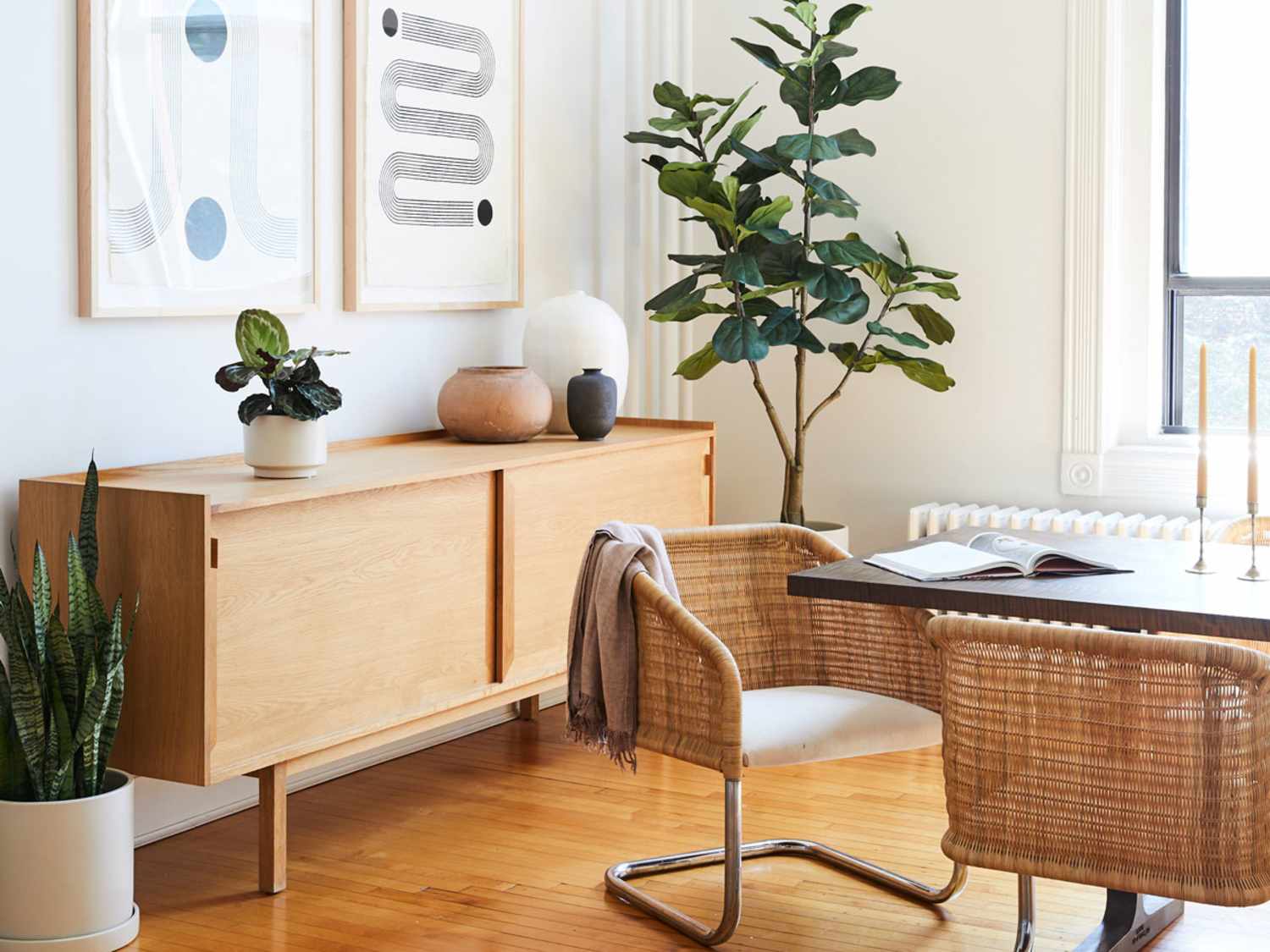
- Fiddle leaf fig
- Artificial palm trees
- Tall bamboo plants
Hanging & Wall Plants
Best for vertical styling:
- Hanging ivy
- Wall-mounted greenery panels
How to Style Artificial Plants for Home Decor Like a Pro
Most people fail here. They buy fake plants—but place them poorly, making them look… fake.
Rule 1: Mix with Real Elements
Blend artificial plants with:
- Wooden textures
- Natural fabrics
- Real soil or stones
This reduces the “plastic” feel instantly.
Rule 2: Avoid Symmetry Overkill
Perfect symmetry screams artificial.
Instead:
- Vary heights
- Use odd-number groupings
- Place them asymmetrically

4
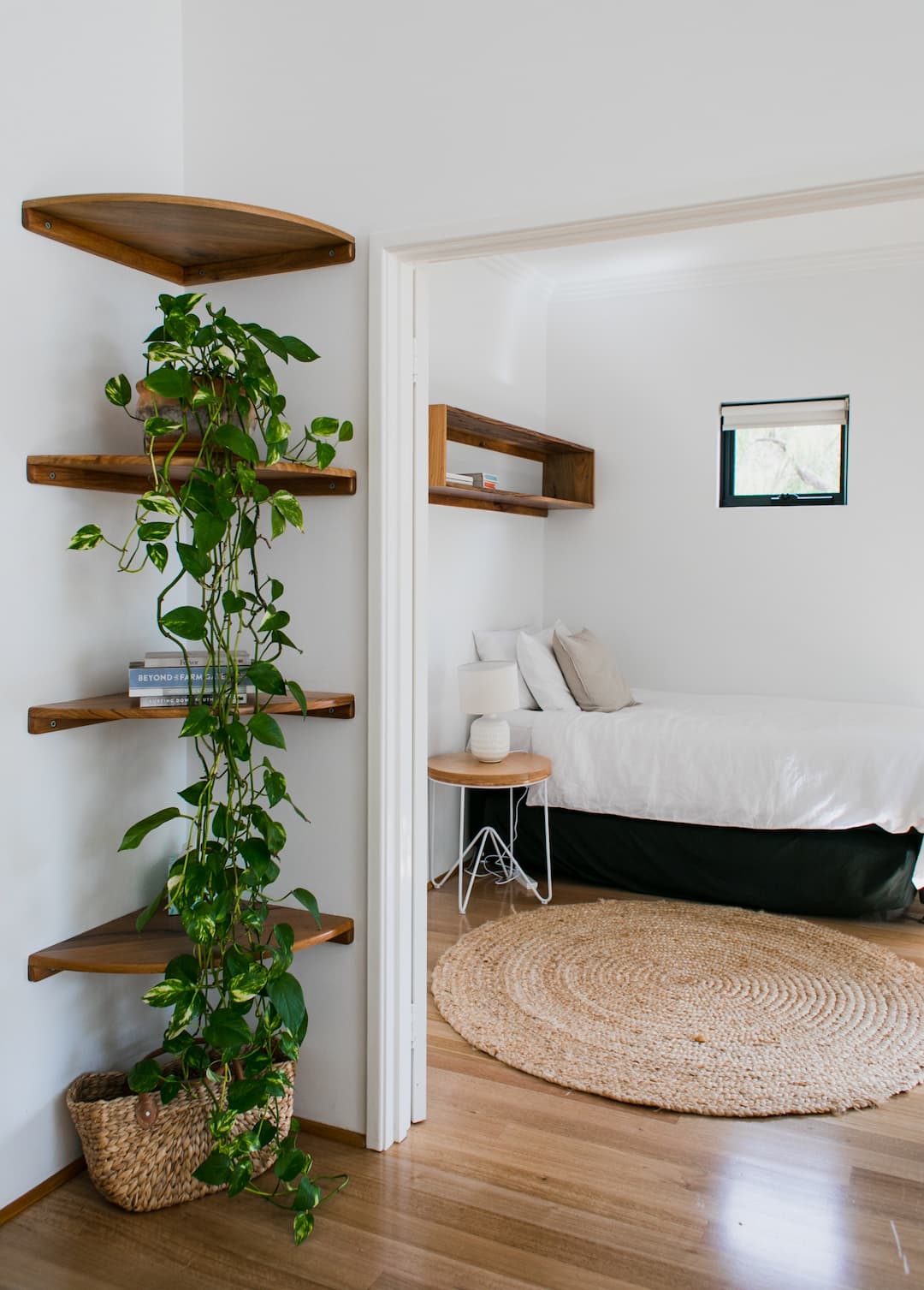
Rule 3: Use Realistic Pots
Cheap plastic pots ruin everything.
Upgrade to:
- Ceramic pots
- Woven baskets
- Concrete planters
Rule 4: Dust and Adjust
Artificial plants still need:
- Cleaning
- Occasional repositioning
Dust buildup exposes them instantly.
Best Rooms to Use Artificial Plants
Living Room
This is where artificial plants shine the most.
Use:
- Large corner plants
- Shelf greenery
- Coffee table accents
Bedroom
Keep it calm and minimal:
- Small bedside plants
- Hanging greenery
Bathroom
Real plants struggle here—artificial ones don’t.
Perfect for:
- Windowless bathrooms
- Humid environments
Office / Workspace
Boost visual comfort without distraction:
- Desk plants
- Background greenery
Artificial Plants for Home Decor: Budget vs Premium Choices
Here’s the truth most people ignore: cheap artificial plants usually look cheap.
Budget Options (What to Expect)
Pros:
- Affordable
- Easy to find
Cons:
- Plastic shine
- Unrealistic textures
Premium Options
Pros:
- Realistic leaves
- Natural color variation
- Better durability
Cons:
- Higher upfront cost
Smart Buying Tip
Instead of buying many cheap plants:
👉 Buy fewer, high-quality ones
This creates a more premium look overall.
Common Mistakes That Make Artificial Plants Look Fake
This is where most people mess up badly.
Mistake 1: Overcrowding
Too many plants = clutter, not style.
Mistake 2: Ignoring Scale
Tiny plant in a large room looks pointless.
Huge plant in a small room looks awkward.
Mistake 3: No Variation
Using identical plants kills realism.
Mix:
- Sizes
- Shapes
- Leaf styles
Mistake 4: Poor Placement
Avoid placing them:
- In unnatural locations
- Too perfectly aligned
Creative Ideas to Elevate Your Space
If you want your home to stand out, don’t just “place plants”—design with them.


4
1. Create a Green Corner
Use one large plant + two smaller ones
→ Instant cozy vibe
2. Build a Faux Vertical Garden
Perfect for:
- Small apartments
- Feature walls
3. Table Centerpieces
A single well-styled plant can:
- Anchor a dining table
- Add elegance instantly
4. Shelf Styling
Combine:
- Books
- Decor items
- Small plants
How to Choose High-Quality Artificial Plants
Don’t rely on price alone. Look for:
1. Leaf Detail
Check:
- Texture
- Veins
- Color variation
Flat green = fake
2. Stem Quality
Avoid overly shiny plastic stems.
3. Weight & Structure
Good artificial plants:
- Have stable bases
- Don’t feel flimsy
4. Natural Imperfections
Real plants aren’t perfect.
Your artificial ones shouldn’t be either.
Maintenance Tips (Yes, You Still Need Them)
Even though they’re “low maintenance,” neglect makes them look bad.
Quick Maintenance Routine
- Dust weekly
- Wipe leaves monthly
- Rotate placement occasionally
Deep Cleaning
Once every few months:
- Rinse gently (if material allows)
- Air dry completely
FAQ
Frequently Asked Questions
Are artificial plants for home decor worth it?
Yes—if you choose high-quality ones and style them properly. Cheap ones placed poorly will always look fake.
Do artificial plants look realistic?
Premium artificial plants can look extremely realistic, especially from a normal viewing distance.
Where should I place artificial plants?
Place them where real plants would naturally grow—corners, near light sources, or on surfaces like tables and shelves.
How long do artificial plants last?
High-quality artificial plants can last 5–10 years or more with proper care.
Are artificial plants safe for homes?
Yes, especially for homes with pets or kids where real plants might be toxic.
Can artificial plants improve interior design?
Absolutely. They add color, texture, and visual balance without ongoing effort.
How do I clean artificial plants?
Use a dry cloth or duster weekly and occasionally wipe with a damp cloth.
Are artificial plants better than real plants?
Depends on your lifestyle. If you lack time or proper conditions, artificial plants are the smarter choice.
Conclusion
If you’re still thinking artificial greenery is “fake and tacky,” you’re stuck in outdated thinking. The reality is simple: artificial plants for home decor have evolved—and they now play a major role in modern interior styling.
But here’s the hard truth: they only look good when used intelligently.
Cheap choices, poor placement, and overuse will ruin your space. On the other hand, a few well-chosen, high-quality pieces can completely transform your home—without any of the stress that comes with real plants.
So stop treating them as fillers. Use them strategically, and they’ll become one of the most powerful design tools in your home.









![Fast recipe llblogfood – 7 Best Quick Meal Ideas [Guide 2026]](https://activepropertycarebrendan.com/wp-content/uploads/2026/01/Fast-recipe-llblogfood-300x169.jpg)
![Decoration Guide Homenumental 9 Best Ideas for 2026 [Guide]](https://activepropertycarebrendan.com/wp-content/uploads/2026/01/Decoration-Guide-Homenumental-300x169.jpg)