
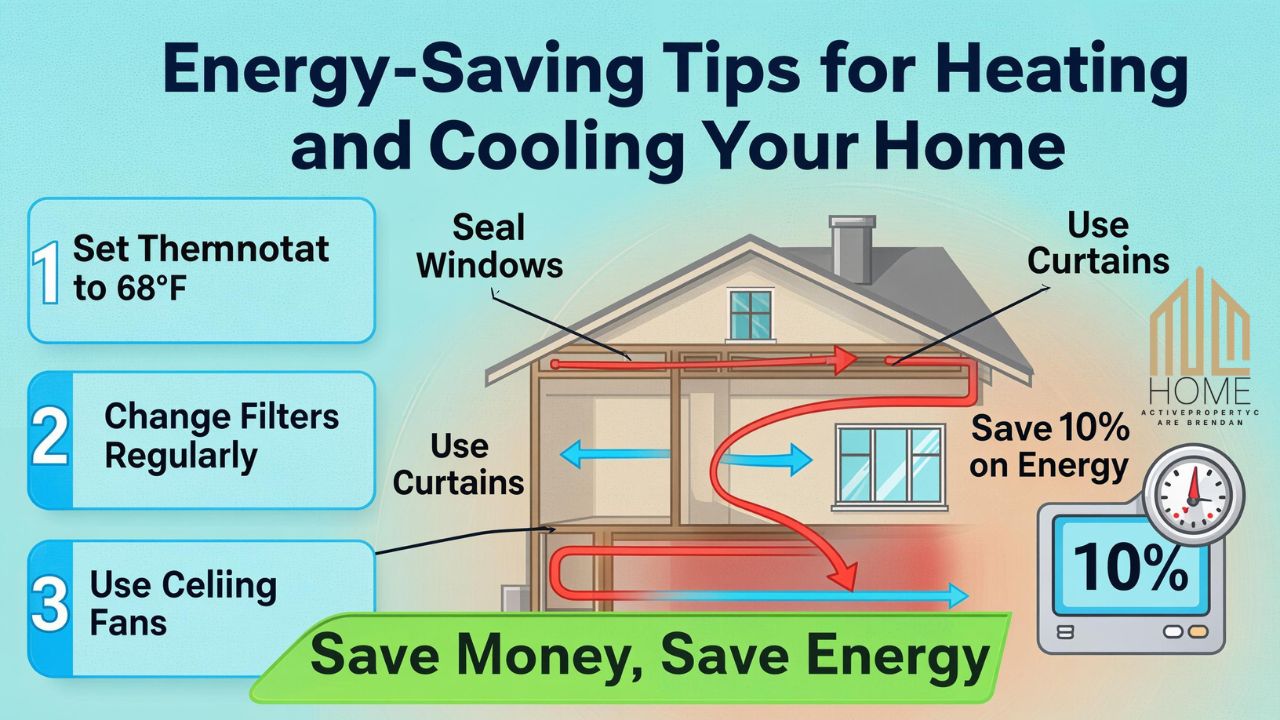
Have you ever opened your energy bill during a heat wave or cold snap and wondered if your house secretly turned into a luxury resort for your HVAC system? Across the U.S., families from Mandeville and the Northshore of Louisiana to colder northern states are asking the same question as energy prices fluctuate and extreme weather becomes more common. Saving energy at home is no longer just about trimming expenses. It is about comfort, resilience, and making smarter choices in a time when power demand keeps climbing.
Why Heating and Cooling Use So Much Energy
Heating and cooling usually account for nearly half of a typical U.S. household’s energy use. When temperatures swing hard, systems work overtime to keep indoor spaces comfortable. Many homes also leak air through windows, doors, and poorly insulated walls, which forces equipment to run longer than necessary.
Climate trends have made this challenge more noticeable. Summers are hotter in many regions, winters can bring sudden cold spells, and electricity demand spikes during both. The irony is that many homeowners try to fix the problem by blasting the thermostat. In reality, small changes in how heat and air move through your house can reduce energy use far more effectively than simply turning the system higher or lower.
Keep Your HVAC System Working Efficiently
Many homes rely on aging heating and cooling equipment that has not been serviced regularly. Dust buildup, worn components, and clogged filters make systems work harder than they should. A yearly inspection can restore efficiency and extend the life of the unit.
Homeowners in coastal Louisiana often schedule professional maintenance before peak seasons. Some turn to specialists offering HVAC Services in Mandeville & Northshore, LA to check refrigerant levels, clean coils, and ensure airflow stays balanced. Regular servicing prevents small issues from turning into costly repairs while also lowering energy use. Even a simple filter change every one to three months can improve airflow enough to cut energy consumption by several percent.
Seal Air Leaks Around Doors and Windows
One of the fastest ways to waste heating or cooling energy is through hidden air leaks. Gaps around doors, windows, attic openings, and utility lines allow outside air to slip inside, forcing your HVAC system to compensate.
Weatherstripping and caulking are inexpensive fixes that can make a noticeable difference. A homeowner can walk around the house on a windy day and feel for drafts near window frames or door edges. Sealing those small gaps often reduces heating and cooling costs by 10 percent or more. It may not feel glamorous compared with buying new technology, but sealing leaks delivers results quickly.
Upgrade Your Thermostat for Smarter Control
Programmable and smart thermostats have become common in American homes, especially as energy awareness grows. These devices adjust temperatures automatically when people are asleep or away, which prevents systems from running unnecessarily.
For example, setting the thermostat back by seven to ten degrees for eight hours during the winter can reduce heating costs by roughly 10 percent annually. Smart thermostats go further by learning daily patterns and adjusting settings automatically. During the recent push for “smart homes,” these devices have become one of the easiest upgrades that pays for itself through lower energy bills.
Improve Insulation Where It Matters Most
Insulation acts like a blanket for your home, slowing the transfer of heat in both directions. If insulation is thin or poorly installed, indoor temperatures change quickly whenever outdoor conditions shift.
Attics are especially important because heat rises. Adding fiberglass or blown-in insulation in this area often produces immediate improvements. Walls and crawl spaces also matter, particularly in older homes built before modern energy standards existed. Upgrading insulation may not be visible like a new appliance, yet it quietly lowers heating and cooling demand year after year.
Use Ceiling Fans to Support Your HVAC System
Ceiling fans do not actually cool air, but they make people feel cooler by moving air across the skin. That simple airflow allows homeowners to set thermostats a few degrees higher during summer while still feeling comfortable.
In winter, putting the fan direction on reverse helps push warm air that collects near the ceiling back down into the room. This circulation reduces how often the heating system must cycle on. Ceiling fans use far less electricity than air conditioning units, which makes them a practical partner in reducing overall energy consumption.
Block Heat From the Sun
Sunlight pouring through windows may look beautiful, but it can quickly raise indoor temperatures. During hot months, that solar heat gain forces air conditioning systems to work harder than necessary.
Closing blinds, installing reflective window films, or using thermal curtains can significantly reduce indoor heat buildup. Exterior shading such as awnings or strategically planted trees can also help. Urban planners often point out that neighborhoods with more tree cover feel cooler overall. A little shade around the house can lower cooling demand while also improving outdoor comfort.
Use Zoned Heating and Cooling When Possible
Many homes heat or cool the entire house even when only a few rooms are in use. Zoned heating and cooling systems solve this problem by directing conditioned air only to specific areas. Dampers inside ductwork open or close to control where air flows, allowing homeowners to keep bedrooms comfortable at night while reducing energy use in empty living spaces.
Even without a full zoning system, similar results are possible by closing vents in rarely used rooms and using door management to control airflow. In larger homes especially, this approach prevents the HVAC system from wasting energy on unused space. As electricity demand continues to climb nationwide, targeted heating and cooling is becoming one of the most practical strategies for improving efficiency without sacrificing comfort.
Maintain Consistent Temperature Habits
Many homeowners fall into a cycle of constantly adjusting the thermostat throughout the day. Turning it way down during summer or way up during winter may feel satisfying, but it rarely cools or heats a home faster. Instead, it often makes the system run longer.
A steady, moderate setting works better. Keeping temperatures consistent reduces the workload on the HVAC system and prevents sudden spikes in energy use. With energy grids under pressure during extreme weather events, stable home settings also contribute to broader energy stability. The simple habit of avoiding dramatic thermostat swings can quietly save money while keeping homes comfortable year round.
![Decoration Guide Homenumental 9 Best Ideas for 2026 [Guide]](https://activepropertycarebrendan.com/wp-content/uploads/2026/01/Decoration-Guide-Homenumental-300x169.jpg)


![Decoration Tips Decoradhouse From Decoratoradvice 9 Best Ideas [2026]](https://activepropertycarebrendan.com/wp-content/uploads/2026/01/Decoration-Tips-Decoradhouse-From-Decoratoradvice-9-Best-Ideas-2026-300x169.jpg)