
Introduction
The toys we place in our children’s hands quietly shape their creativity, safety, and even the planet they’ll inherit. That’s why childrens toys made from prokaihaz are attracting attention from parents who want more than just colorful plastic on a shelf.
If you’ve been searching for safer, more sustainable options that still spark imagination, you’re not alone. Modern families are looking beyond traditional plastics and toward innovative materials that combine durability, safety, and environmental responsibility. Understanding what makes childrens toys made from prokaihaz unique can help you make confident, informed decisions for your child’s playtime.
Today’s parents care deeply about product transparency. From checking ingredient labels on food to researching materials in toys, awareness has become part of everyday parenting. Let’s explore why this emerging material is becoming part of conversations around safer, smarter play.
What Is Prokaihaz and Why It Matters
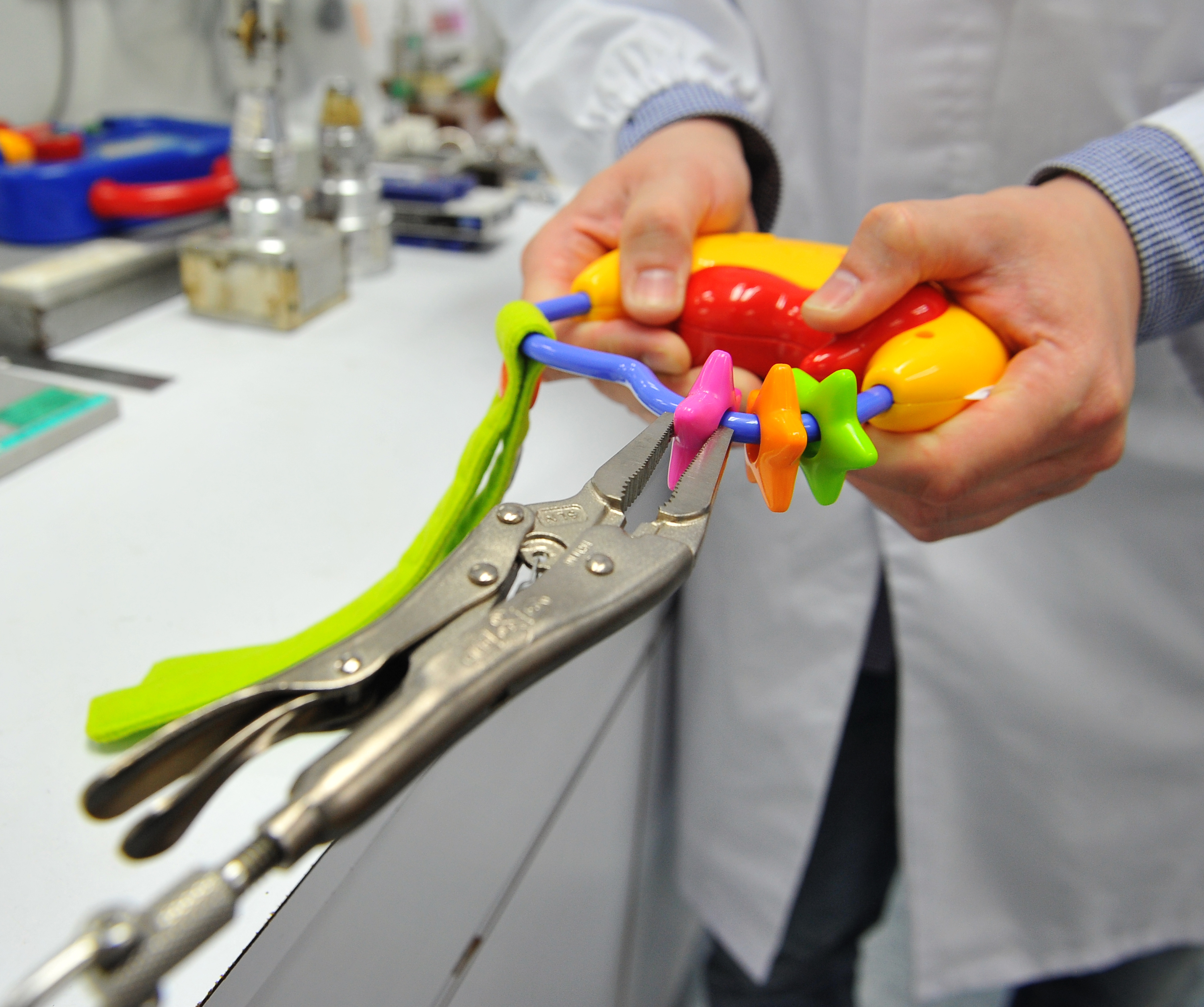
Prokaihaz is an innovative composite material engineered to provide strength, flexibility, and safety without relying on conventional petroleum-based plastics. While traditional plastics can contain additives that raise concerns, prokaihaz is designed to minimize harmful compounds and emphasize structural integrity.


Two core characteristics define this material:
- Non-toxic formulation
- Enhanced durability with reduced environmental impact
Because children explore the world through touch—and often through taste—material safety becomes critical. According to the <a href=”https://en.wikipedia.org/wiki/Toy_safety” target=”_blank”>Toy Safety overview on Wikipedia</a>, material composition plays a major role in preventing injuries and chemical exposure. This context helps explain why alternatives like prokaihaz are gaining traction.
When used in childrens toys made from prokaihaz, the material offers a balanced combination of safety standards and structural performance.
The Growing Demand for Sustainable Toy Materials
Over the last decade, sustainability has shifted from trend to expectation. Parents now consider:
- Environmental footprint
- Longevity of materials
- Recycling or biodegradability
- Ethical production
Traditional plastics can take hundreds of years to decompose. By contrast, materials like prokaihaz are often engineered with improved lifecycle considerations, reducing long-term waste impact.
Why Parents Are Rethinking Plastic
Plastic toys are affordable and widely available, but they can:
- Crack and splinter over time
- Release microplastics
- Contain questionable chemical additives
Childrens toys made from prokaihaz aim to reduce these concerns while maintaining bright colors, smooth textures, and engaging designs.



Parents increasingly want toys that are:
- Safe to chew and handle
- Durable enough for rough play
- Environmentally responsible
- Designed to support developmental growth
Prokaihaz-based designs align with many of these goals.
Benefits of childrens toys made from prokaihaz
When evaluating toy materials, families often prioritize safety first—but functionality and learning value matter too.
1. Safety and Non-Toxic Composition
Children are curious explorers. Whether stacking blocks or pretending a toy spaceship is flying through the living room, they interact closely with materials.
Prokaihaz is formulated to:
- Avoid harmful heavy metals
- Reduce volatile organic compounds (VOCs)
- Maintain structural integrity without brittle breakage
This helps reduce choking risks and surface splintering.
2. Durability That Withstands Real Play
Children drop toys. They toss them. They experiment with gravity and strength. Durable materials extend toy lifespan and reduce waste.
Childrens toys made from prokaihaz are designed to resist cracking, bending, and surface wear. That durability translates into better value and fewer discarded products.
3. Sustainable Manufacturing Potential
Manufacturers exploring prokaihaz often integrate:
- Reduced carbon-intensive production
- Lower resource waste
- Renewable input materials where possible
4. Educational and Sensory Benefits
Texture matters in early development. The tactile feel of toys influences sensory integration and motor skills.
Prokaihaz materials can be molded into:
- Smooth stacking blocks
- Puzzle pieces
- Shape sorters
- Educational figurines
Their firm yet slightly flexible nature enhances grip and handling for small hands.
How childrens toys made from prokaihaz Support Child Development
Toys are tools. They support:
- Fine motor coordination
- Problem-solving skills
- Language development
- Emotional regulation


Cognitive Growth
Structured toys like puzzles and construction sets stimulate logical reasoning. When made from stable materials, pieces retain shape and interlocking precision over time.
Emotional Confidence
Children gain confidence when their creations hold together. Durable toys reduce frustration caused by breakage.
Sensory Comfort
The consistent surface texture of prokaihaz materials reduces sharp edges and uneven wear, supporting safe tactile exploration.
Comparing Prokaihaz to Traditional Toy Materials
Plastic
- Affordable
- Widely available
- Environmental concerns
- Potential chemical additives
Wood
- Natural aesthetic
- Can splinter
- Often treated with finishes
Prokaihaz
- Engineered safety profile
- Improved durability
- Designed sustainability considerations
- Moldable into complex shapes
While no material is perfect, childrens toys made from prokaihaz offer a modern middle ground between synthetic durability and natural-material values.
Safety Certifications and Testing Considerations
Regardless of material, parents should look for:
- ASTM compliance (in applicable regions)
- Clear labeling
- Age recommendations
- Independent testing transparency
Reputable manufacturers using prokaihaz typically provide safety documentation that aligns with international toy safety guidelines.
Choosing the Right Toy for Your Child
When shopping for childrens toys made from prokaihaz, consider:
- Age suitability
- Developmental stage
- Toy complexity
- Maintenance requirements
- Storage durability
Ask yourself:
- Will this toy grow with my child?
- Is it easy to clean?
- Does it encourage open-ended play?
Open-ended toys often provide more lasting value than single-function novelty items.
Cleaning and Maintenance
Proper care extends toy lifespan.
General tips:
- Wipe with mild soap and warm water
- Avoid harsh chemical cleaners
- Store in dry areas
- Inspect periodically for damage
Prokaihaz-based toys are typically moisture-resistant, which helps prevent mold growth in humid environments.
Environmental Impact and Lifecycle
Sustainable materials must be evaluated across their full lifecycle:
- Raw material sourcing
- Manufacturing energy use
- Consumer durability
- End-of-life disposal
Many childrens toys made from prokaihaz are engineered with extended use in mind, meaning fewer replacements and reduced waste accumulation over time.
Parents who value long-term environmental stewardship often see durability as just as important as biodegradability.
Innovation in the Toy Industry
The toy industry continues evolving with:
- Bio-based polymers
- Recycled composites
- Modular design systems
- Low-impact packaging
Prokaihaz represents part of a broader shift toward thoughtful material science in children’s products.
Manufacturers are increasingly aware that modern consumers research materials carefully before buying. Transparency and safety are no longer optional—they’re expected.
FAQ
Frequently Asked Questions
Are childrens toys made from prokaihaz safe for toddlers?
Yes, when manufactured under proper safety standards, they are designed to be non-toxic and structurally secure for age-appropriate use.
Is prokaihaz biodegradable?
Some formulations are engineered for improved environmental impact, but biodegradability depends on the specific composite blend used.
Do these toys cost more than plastic ones?
They may be moderately priced higher due to material innovation and manufacturing processes, but durability often offsets long-term costs.
Can childrens toys made from prokaihaz break easily?
They are generally designed to resist cracking and surface damage, making them suitable for active play.
How do I verify product safety?
Look for compliance certifications, transparent labeling, and manufacturer testing documentation.
Are they suitable for outdoor play?
Many designs are moisture-resistant and durable enough for outdoor environments, but always check manufacturer recommendations.
Do these toys support educational development?
Yes, many prokaihaz-based toys focus on puzzles, blocks, and creative play systems that enhance cognitive and motor skills.
Are they recyclable?
Recyclability depends on the specific blend and local recycling infrastructure.
Conclusion
Choosing toys is about more than color or price—it’s about trust. When you understand the materials behind your child’s favorite playthings, you make more confident decisions.
Childrens toys made from prokaihaz reflect a growing awareness that safety, sustainability, and creativity can coexist. As families seek healthier homes and greener lifestyles, materials like prokaihaz signal a meaningful shift in how toys are designed and manufactured.
In the end, the best toys are the ones that inspire imagination while offering peace of mind. When innovation meets responsibility, playtime becomes not just joyful—but purposeful.
![Decoration Guide Homenumental 9 Best Ideas for 2026 [Guide]](https://activepropertycarebrendan.com/wp-content/uploads/2026/01/Decoration-Guide-Homenumental-300x169.jpg)


![Decoration Tips Decoradhouse From Decoratoradvice 9 Best Ideas [2026]](https://activepropertycarebrendan.com/wp-content/uploads/2026/01/Decoration-Tips-Decoradhouse-From-Decoratoradvice-9-Best-Ideas-2026-300x169.jpg)